How I Picked My First-Year Garden Crops
I grew up around gardening. We always had a vegetable garden as far back as I can remember. But as an adult, I didn’t feel the need to grow my own garden until I was pregnant with my first baby.
Something about growing a human made me so excited to grow my own garden at home. I live in town, and I have a large, fenced-in back yard. I don’t have any indoor spaces that receive much direct sunlight because my house is situated North-South. I also knew from the get-go that I wanted my garden to be low-maintenance because my baby boy is due in April, which means planting, maintaining, and harvesting would need to be done with a newborn strapped to my chest.
Here’s how I decided what to plant in my first-year garden:
What do I usually buy fresh from the store?
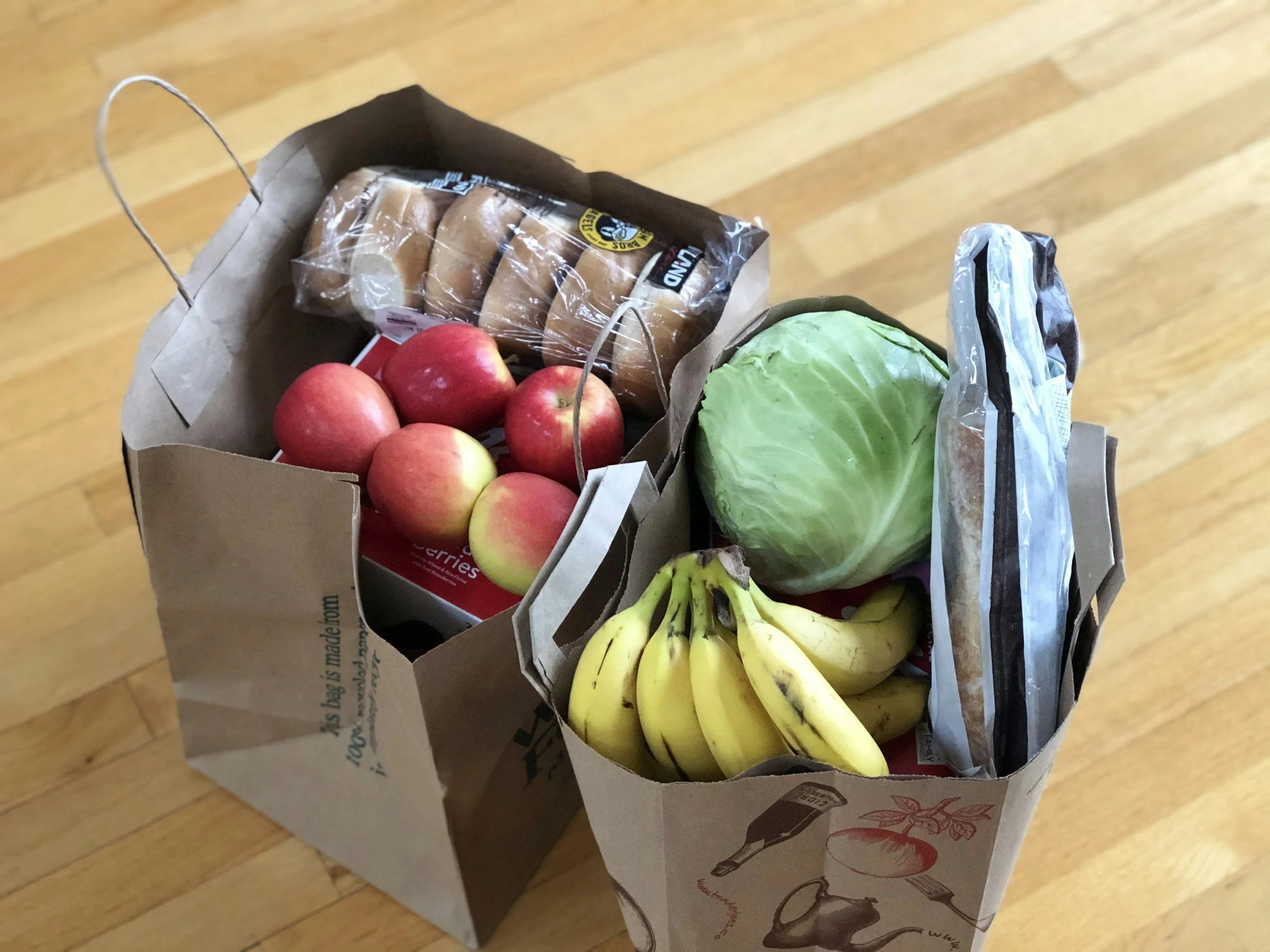
The first step in deciding what to plant in my garden the first year was to make a list of the fresh vegetables, herbs, and fruit I typically buy from the store. What do we actually eat fresh?
For us, that was a lot of potatoes, onions, strawberries, zucchini, and general fresh herbs. There are also some herbs I like to use for seasonings that I generally buy dried because it can be difficult for me to use up fresh herbs if I buy them from the store in a large bunch.
It is important to consider what you wouldn’t mind eating and using a lot of. I learned from watching my family garden over the years that certain crops, like potatoes or greens, are ready to harvest at one time in bulk, and many crops need to be eaten or preserved fairly quickly to prevent spoiling.
I thought a lot about what crops I would want to eat plain, use in recipes, or figure out how to store or preserve.
What do I have space for?
The second question was about my growing space. Some vegetables, like zucchini, grow outward and need more ground space to grow well. There are also some vegetables that can grow well in containers or raised garden beds.
I also thought about what garden set-up would help me enjoy maintaining it more often. I know from growing up in the garden that I don’t like bending over to weed or harvest plants, so I wanted to opt for raised garden beds and containers that I can put up on tables or other surfaces.
I then did a lot of random Google inquiries about how much space certain plants needed to grow well and how to grow things in containers or garden beds. I learned that sweet potatoes need a space that is at least 3 feet wide to grow well, so I planned a garden box that is at least 3 feet wide.
I read about how to grow potatoes in a tower and how to grow a tea garden in a small raised garden bed. I learned different ways to grow herbs in containers and how to keep pests away naturally by planting herbs and flowers around vegetable crops.
Since my backyard is south-facing, I also looked into which plants need direct, full sun for 6-8 hours per day. That helped me decide which plants would go in the garden bed that would see the most sun and which plants needed to go in containers or a garden bed that would sit behind part of my back porch and be shaded for part of the day.
What plants are beginner-friendly so I get a win the first year?
The last big question I wanted to research before purchasing seeds or plants for my first-year garden was how beginner-friendly certain plants were.
I knew I wouldn’t have a ton of time to tend to my garden every day with my newborn, but I also wanted to set myself up for success my first year gardening so I wouldn’t lose my desire to plant a garden in following years.
This meant asking Google simple questions like, which vegetables are the easiest to grow in a garden bed? How can I grow onions in a garden bed easily? How can I set up my herb garden so it repels pests? Which herbs grow best in pots?
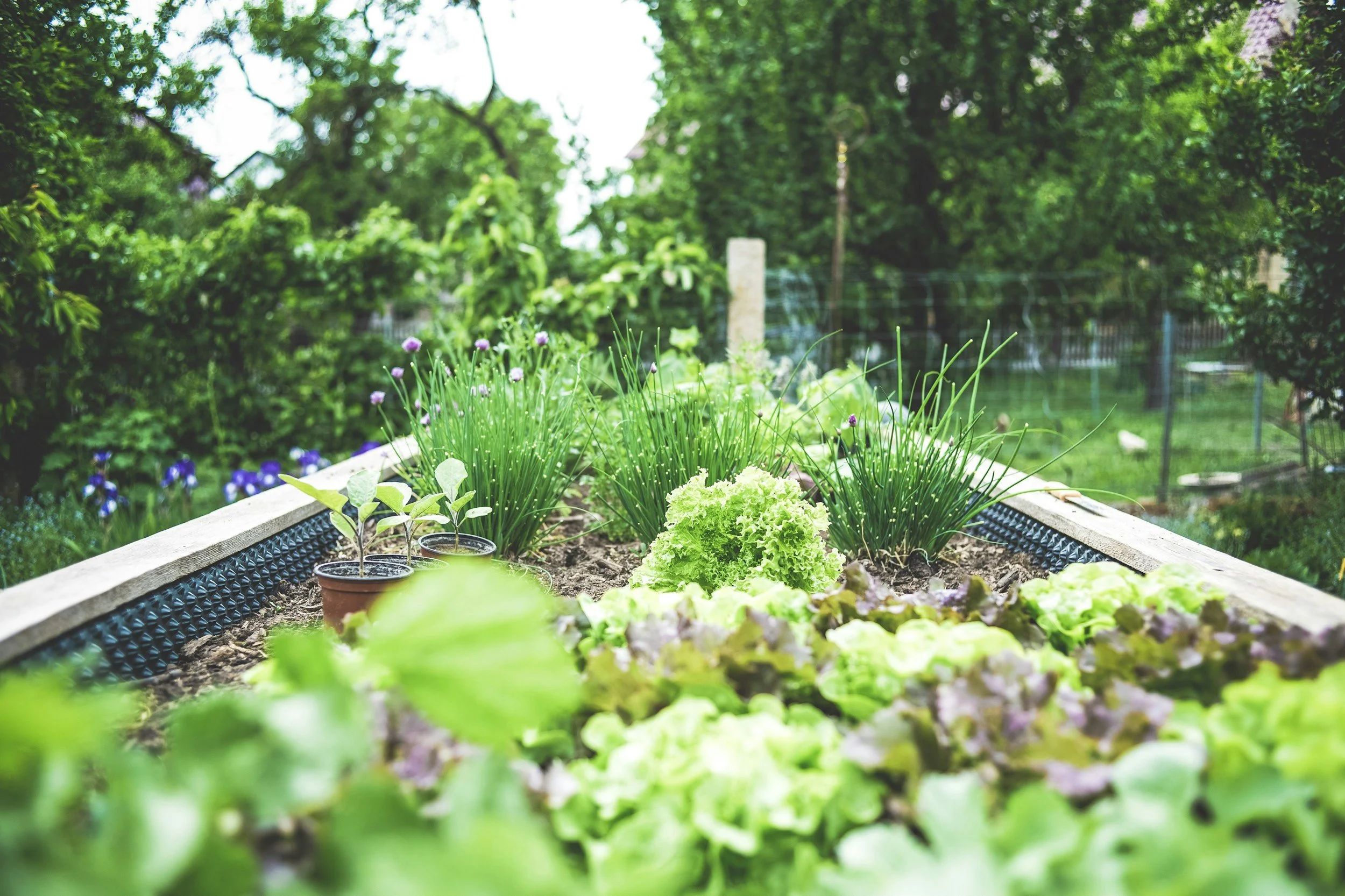
All of those answers helped me pick the seeds to purchase for my first gardening season.
I also looked into what plants grow well in my growing zone. I live in Iowa, so even though I use a lot of lemons and oranges, I can’t really grow citrus fruit in my zone. I had to pick varieties of herbs, vegetables, and fruits that I can grow well in my growing zone (Zone 5).
What I picked for my first growing season:
Potatoes
My first pick was potatoes. I figured out how to build a potato tower with wood that makes for easy maintenance (you simply pack fresh soil to the top of the leaves as it grows, adding wood to the sides until it reaches a certain height, then you can harvest by taking the bottom boards off. Look for a future post in May or June with details about how to build a potato tower).
I also picked two different potato varieties that I wanted to try. I picked Yukon Gold because I love the taste of Yukon Gold potatoes and they store well, so I can use them over the course of a few months after harvest. I also picked Purple Viking because they are supposed to make amazing mashed potatoes…and my husband’s favorite NFL team is the Vikings. :)
Sweet potatoes
My next pick was sweet potatoes. We love sweet potato recipes (my husband’s absolute favorite recipe is Sweet Potato Nachos—I’ll share the recipe soon). Even our dog gets dehydrated sweet potato treats! The sweet potatoes will go in our 3-foot-wide garden bed on the south east side of the back porch so they get full sun.
Onions
I also decided to pick 2 onion varieties: Talon and Calibra. Both are yellow onion varieties that store well, so I can harvest and store them and have fresh onions for cooking long into the fall and early winter.
Tomatoes
My husband isn’t a fan of fresh tomatoes, but I love them. I knew I didn’t want to have to process a ton of them though, so I picked a variety of small cherry tomatoes called Sakura. They are supposed to ripen early in the season and they are compact plants that grow well in small spaces, so I can grow them in a pot on the deck and pick little tomatoes to eat raw, put in a salad, or blend up with onion and peppers for a fresh salsa.
Herbs for Tea and Cooking
I also planned an herbal tea garden bed for my first growing season. In the nook by the porch stairs, we are building a square garden bed where I’ll plant Lemon balm, Echinacea, Mint, and Nettles. All of these herbs are great for making herbal teas.
Flowers
Finally, I chose flowers that will help repel pests and keep my garden low-tox and my backyard space enjoyable to be in during the summer months. I picked a French Marigold variety called Queen Sophia, an organic Lavender, and an Organic Nasturtium flower Kaleidoscope mix, which are edible flowers.
I have big plans for expanding my garden in the future, including adding fruit trees and berry bushes, and expanding my raised garden beds to grow more varieties of tomatoes, peppers, garlic, and other vegetables we use daily. I also plan to add more flowers to attract pollinators to my garden that can help support the ecosystem.
But by planning out my first-year garden with care and being realistic about how much time and effort I wanted to put into my first garden, I was able to set myself up for success and to continue to fall in love with gardening at home without the overwhelm.
What are some vegetables you want to learn to grow in your home garden? Share in the comments below, and I’ll give you tips and ideas!